


Joint pain, or arthralgia, occurs in a number of diseases, and until now its mechanism is not completely clear.Joint elements (ligaments, cartilages, capsules, bones) have pain receptors and respond to inflammatory processes and mechanical stimulation.During movement, joint receptors are irritated, signals from them enter the brain, and a person feels pain.During inflammation, the receptors become more sensitive to any irritation as the cells of the immune system release substances that transmit the disease.
As a rule, joint pain is not accompanied by swelling, contour deformation or redness of the surrounding soft tissues.Pain on palpation of the joints is moderate.In some cases, X-rays do not show obvious signs of inflammation.There are also no complaints about a sharp decrease in the mobility of large joints.
Arthralgia is often accompanied by rheumatic diseases.In this case, the joints ache and ache when the weather changes.Often there is severe discomfort in the knee and hip joints.In the morning, the patient's joints are stiff and painful, so he cannot get up immediately and walk at a pace.
If the pain in the joints is paroxysmal, appears suddenly, worsens within a day, lasts for several days, and only one joint hurts, then it is possible to assume the presence of arthritis from gout.Uric acid crystals accumulate in the joint tissues, irritating the tissues and causing pain.
If arthralgia occurs in large joints (knees, hips), develops slowly, increases during physical work, and is accompanied by stiffness in the morning, then degenerative-dystrophic changes can be identified - osteoarthritis.
Reasons
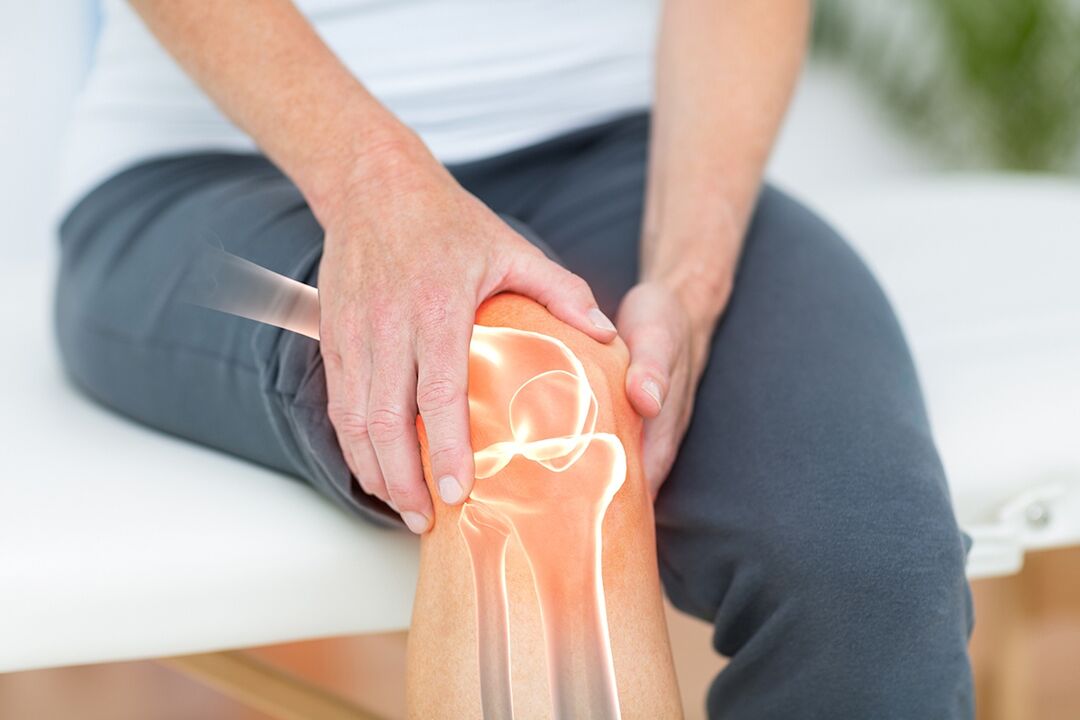
There are many different causes of joint pain.One of the most common causes of arthralgia is an acute infection.Joint pain can occur before the first symptoms of the disease or in the early stages.Often during the infectious process, it destroys joints throughout the body.At the same time, the amplitude of their movements does not change.
Severe post-infectious arthralgia occurs in genitourinary and intestinal infections.
Joints suffer from secondary syphilis, endocarditis, tuberculosis.If there are foci of chronic infection in the body, for example, in the kidneys, bile ducts, pelvic organs, parasitic diseases, then the joints also hurt.
Common causes of joint pain are:
- Diseases of the thyroid gland.
- Poisoning with salts of heavy metals.
- Physical injuries.
- Long-term use of certain medications.
I am worried about joint pain due to various diseases.They are divided into 2 large groups:
- Arthritis is an inflammatory joint disease caused by infection, autoimmune processes, endocrine gland dysfunction and metabolism.
- Arthritis is a disease associated with destruction of the joint surfaces under the joint cartilages and bones.Over time, the cartilage becomes rough, loses elasticity, and cracks.
It is conventional to divide joint diseases into arthritis and arthrosis.Without treatment, arthritis eventually turns into arthrosis, as inflammatory processes disrupt the metabolism of cartilage.Without adequate nutrition, they quickly become thin and slowly fall off.
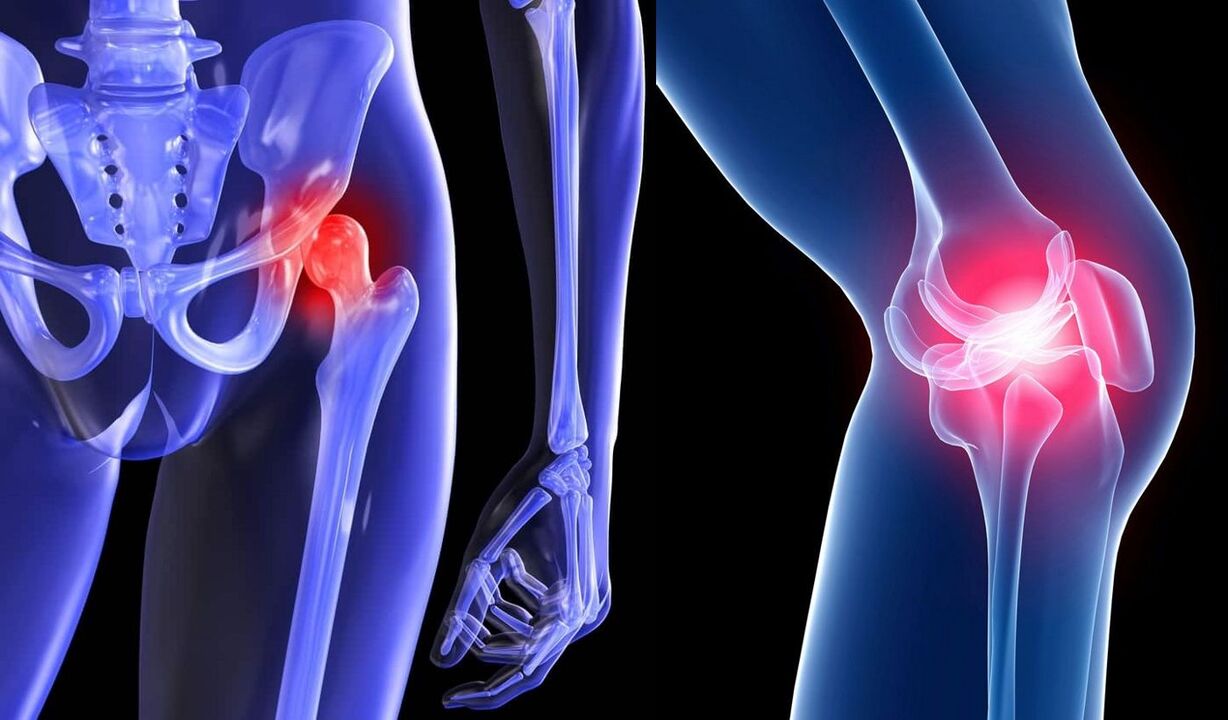
With arthrosis, initially associated with physical overload of the joint, inflammation develops over time.It is caused by the accumulation of fragments of cartilage and bone tissue in the joint cavity and the triggering of inflammatory reactions.
The risk group for developing this pathology includes:
- Women during menopause.
- Elderly people with obvious age-related changes in the body.
- Patients with obesity.
- patients with a history of joint trauma.
- Athletes.
- Owners of a certain profession.For example, people who spend long hours on their feet (teachers, surgeons, hairdressers, etc.) often suffer from knee pain.Joint pain is a common symptom among musicians, cashiers and loaders who perform monotonous manual movements.
Species
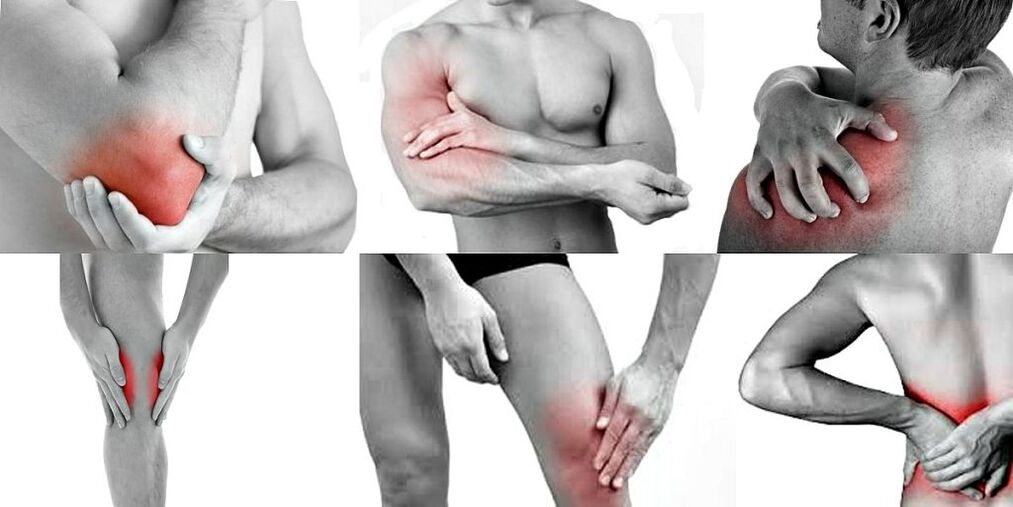
There are different classifications of joint pain.According to the location of arthralgia, they are divided into:
- Mono arthralgia (1 joint hurts).
- Oligo arthralgia (affects 2-5 joints).
- Polyarthralgia (pain in more than 5 joints).
Depending on the location of the joints, arthralgia is divided into general and local.
Character of arthralgia:
- Sharp and boring.
- Temporary and permanent.
- Weak, medium and strong.
Features and conditions of the occurrence of arthralgia depend on the diagnosis.The most common symptoms of joint pain are:
- Get started.Arthralgia first occurs when walking, then disappears with movement.It is associated with friction of the articular surfaces of bones covered with damaged cartilage tissue.After a few steps, this mass accumulates in the inversions of the articular capsule, and the arthralgia disappears.
- Aching.They appear after generations of physical labor and go away with rest.
- The night.They confirm severe damage to the joints and caused congestion, blood pressure under the bone tissue cartilage.After a good night's sleep, the joints feel stiff, and the discomfort goes away when you move.
- Stable.Occurs when there is inflammation in the joint capsule.
- Sudden (joint blockade).It is caused by pinching of bone or cartilage that is stuck between two joint surfaces.
- Migration.First one joint hurts, then the pain moves to the other.
- reflected.They are felt not in the affected joints, but nearby.For example, if you have hip joint pain, your knees will hurt.
Diagnostics
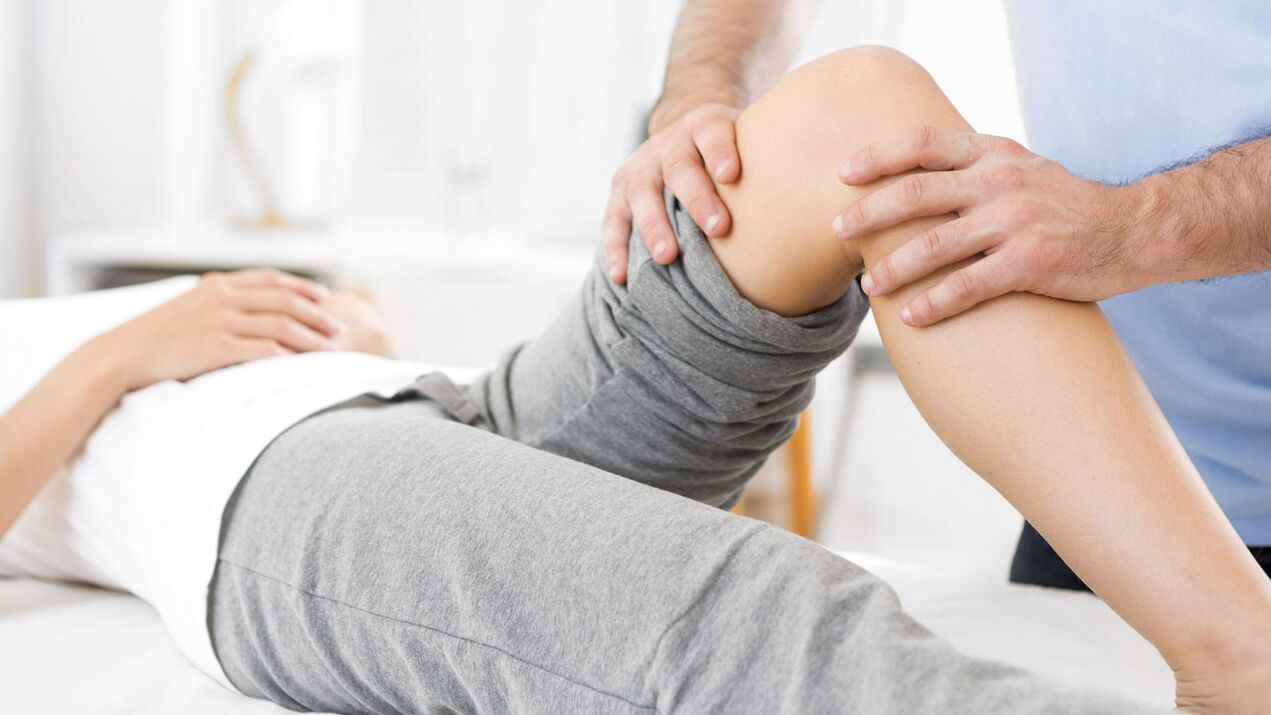
If you have arthralgia, do not self-medicate.If you have joint pain, be sure to see your doctor for a diagnosis.After the basic examination, he will refer you to an orthopedic traumatologist or a rheumatologist.If the previously affected joint becomes painful, a surgeon's advice is indicated.
When you visit your doctor, it is important to talk about the following:
- When the disease occurs.
- The pain will decrease and subside.
- How common are painful attacks?
- Arthralgia is new or has occurred in the past.
- Is there hyperemia, edema or joint deformity.
- Have you had stress, acute respiratory illness or strenuous physical activity in recent days?
This information helps the specialist to draw conclusions about the condition of the patient's joints and make a diagnosis.
After determining the nature of joint pain, the doctor will prescribe an examination and refer to:
- General blood and urine analysis.
- Biochemical blood analysis.
- Immunodiagnosis.
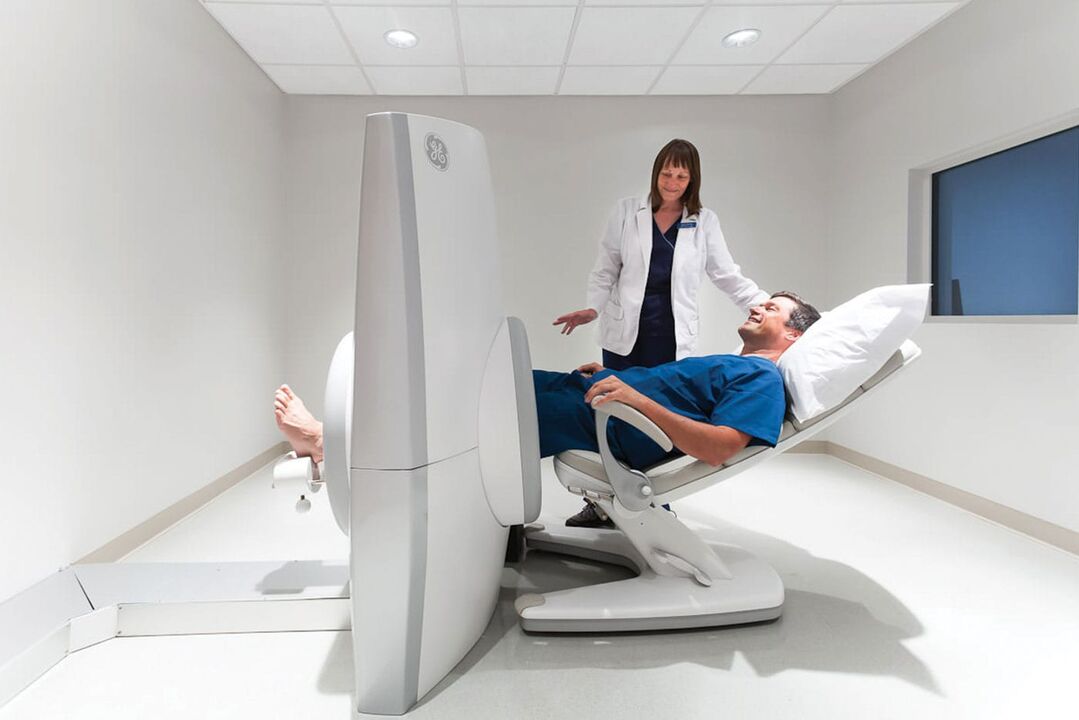
- X-ray, CT, MRI, ultrasound of joints.
- If necessary, a biopsy of the affected tissue.
X-ray of joints.This method allows studying the joint in two projections, as well as radiopaque arthrography.
Using MRI and CT, you can assess the condition of osteochondral structures and soft tissues in detail.
Ultrasound of joints.It helps to assess the effusion in the joint cavity, erosion of the joint surfaces of the bones, changes in the synovial membrane, and the width of the joint spaces.
Invasive research methods.If indicated, joint puncture and synovial biopsy are performed.In severe cases, arthroscopy is performed (inside view of the joint cavity).
Laboratory tests help identify signs of inflammation and rheumatic pathology.Erythrocyte sedimentation rate, C-reactive protein, uric acid, antinuclear antibodies, rheumatoid factor and ACCP levels are determined in peripheral blood.Synovial fluid is subjected to microbiological and cytological analysis.
Treatment
Treatment for joint pain should be comprehensive.Tactics include reducing the mechanical load on the joint, eliminating inflammation and preventing the development of the underlying disease.This is the only way to slow cartilage degeneration, maintain joint mobility and improve the quality of life of a patient with arthralgia.
To reduce joint pain, the following are prescribed:
- Pain relievers and anti-inflammatory drugs.
- Physiotherapy (shock wave therapy, ozone therapy, myostimulation, phonophoresis).
- Therapeutic exercise.
- Massage.
- Acupuncture.
- Orthopedic or surgical correction.
Conservative therapy is carried out with non-steroidal anti-inflammatory drugs, which relieve pain and have an anti-inflammatory effect.Chondroprotectors slow down the development of osteoarthritis.These medications reduce inflammation and prevent further damage to the cartilage in the joints.They contain cartilage components - chondroitin, glucosamine.Chondroprotectors promote regeneration processes in cartilage tissue.
A muscle relaxant is prescribed to eliminate spasm of skeletal muscles.

If arthritis is associated with infection, then antibiotics are indicated.
Complexes of vitamins and mineral elements are also prescribed for the good functioning of joints and recovery processes.Vitamins A, C, E, group B and mineral elements calcium and selenium are especially important.
In case of severe inflammation and there is no result of treatment, glucocorticosteroids are prescribed according to the scheme.
Drug treatment is supplemented with warming, pain-relieving, anti-inflammatory oils.
If the arthralgia is very severe, nerve endings are blocked.For this, they use powerful drugs that allow you to forget about joint pain for a long time.
Joints are protected from overload to reduce arthralgia.Prolonged standing, lifting and carrying heavy objects puts pressure on the joints, which far exceeds the permissible load and contributes to the destruction of the cartilage.
To prevent arthralgia, observe the following rules:
- Normalize your body weight.
- Wear simple high-heeled shoes;if you have flat feet, use orthopedic insoles.
- Avoid psycho-emotional and physical overload.
- During work, change your body position frequently, take five minutes to move and relieve muscle tension.
- Choose moderate exercise to maintain physical activity.Alternate movement with periods of rest.
- Do regular exercises to relieve stress on your joints.For example, you can sit or lie down for 20-30 minutes, bending and straightening your legs and doing the "bicycle" exercise.After that, you need to rest for 7-10 minutes to improve blood circulation.These exercises help to strengthen the cartilage in the joints of the feet.
In severe cases, surgical treatment is necessary.Through small incisions, the doctor removes necrotic tissue from the joint cavity.If fluid accumulates in the joint, a puncture is made.
A periarticular osteotomy is performed to reduce the load and increase the mobility of the affected joint.The bones that make up the joint are cut so that they will later grow together at a certain angle.
In severe cases, joint replacement is performed.
Prevention

Follow these tips to prevent joint pain:
- If you are obese, keep your weight under control.
- It is necessary to drink at least 1.5-1.7 liters of water per day.
- Avoid hypothermia.
- Lead an active lifestyle.
- Avoid excessive use of alcohol and tobacco.
- Night sleep should last at least 8 hours.
- Walk outside as much as possible.
- Try to change your body position often.
Conclusion
According to statistics, arthralgia of the upper and lower legs occurs in half of people over 40 years old.90% of patients over 70 years of age have joint diseases.If the joint hurts suddenly, immediately find out the causes and consult a doctor to prescribe treatment.Take care of your joints and load them with useful work.Even if the cartilage breaks down and movement is uncomfortable, only physical activity can keep your joints moving.